EN
EN UA
UA



 Login
Login 

How to open a food truck from scratch with PayKit


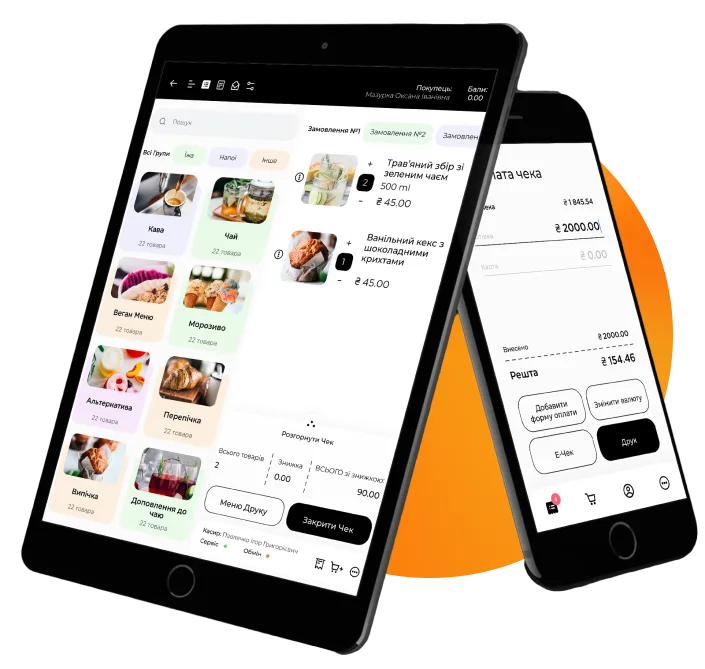
A mobile food truck is a creative freedom, fresh ideas and the opportunity not to be tied to the walls of a stationary establishment. To make your street kitchen a favorite place for a quick and tasty snack, it is important to think through each stage of the launch. PayKitPOS will help automate sales accounting, control inventory and analyze profitability in real time.
Define the concept of the food truck
Find your “taste chip”
- Cuisine and menu: Choose a direction – burgers, street food with world cuisine, vegan sandwiches or author’s sandwiches on craft buns.
- Branding: Develop a bright logo, unique body design and staff uniforms.
- Target audience: Young people, office workers or event guests? Think about who you are preparing goodies for.
Tip: Conduct a survey on social networks to understand which dishes can become hits on wheels.
Route and Location Plan
- Permanent Points: Identify 2–3 “supports” — business centers, parks, university campuses, where there will be a stable flow of customers.
- Festivals and Events: Agree on participation in local fairs, music or food festivals.
- Flexibility: Mobility allows you to quickly change points as needed.
Legal aspects and permits
- Business registration: Individual entrepreneur or LLC according to the relevant KVED.
- Technical passport and vehicle registration: Preparation of the food truck as a mobile catering enterprise. Sanitary and fire certificates: Certification of equipment and premises in the body.
- Alcohol license: If you plan to serve drinks.
Tip: Submit all documents to the State Consumer Service and firefighters at the same time to reduce waiting time.
Equipment and space organization
Kitchen appliances: Grill, deep fryer, stove, refrigerators, worktops with steel coating.
Ventilation and water supply systems: Follow sanitary standards.
Automation with PayKitPOS:
- Instant order acceptance: From a tablet or smartphone.
- Inventory control: Automatic update of product data.
- Cashless payments: Built-in e-wiring for card payments.
- Analytics: Track the most popular items and days of highest demand.
👉 Learn more about PayKitPOS
Menu Development and Team Training
Menu: Fix simple and clear items that are easy to prepare on wheels.
Seasonal updates: Introduce limited-time offers (e.g. summer fresh fruits).
Staff training:
- Quick cooking and packaging techniques.
- Working with the PayKitPOS interface to speed up service.
- Customer interaction standards – friendliness and speed.
Marketing and Promotion
- Social Media: Post daily locations, food photos, and special offers.
- Push Notifications: In-app notifications about the time and location of the food truck.
- Loyalty Programs: Accumulated bonuses for ordering through PayKitPOS.
- Promotions: Happy Hour with discounts on combo sets.
Tip: Launch a hashtag challenge on Instagram – customers share photos with dishes, and you give them a free dessert.
Monitoring results and development
- Sales analytics: Identify the most profitable items and adjust the assortment.
- Cost control: Reduce write-offs through accurate accounting of ingredients.
- Customer feedback: Use feedback to improve quality and service.
- Scaling plan: Add new food trucks or switch to a stationary point.
Example: If more than 50 burgers of a certain type are bought in an evening, introduce it as a “star” on the menu and make a small price increase for additional profit.